
Homestays in Sikkim & Darjeeling: Stay Closer to the Himalayas
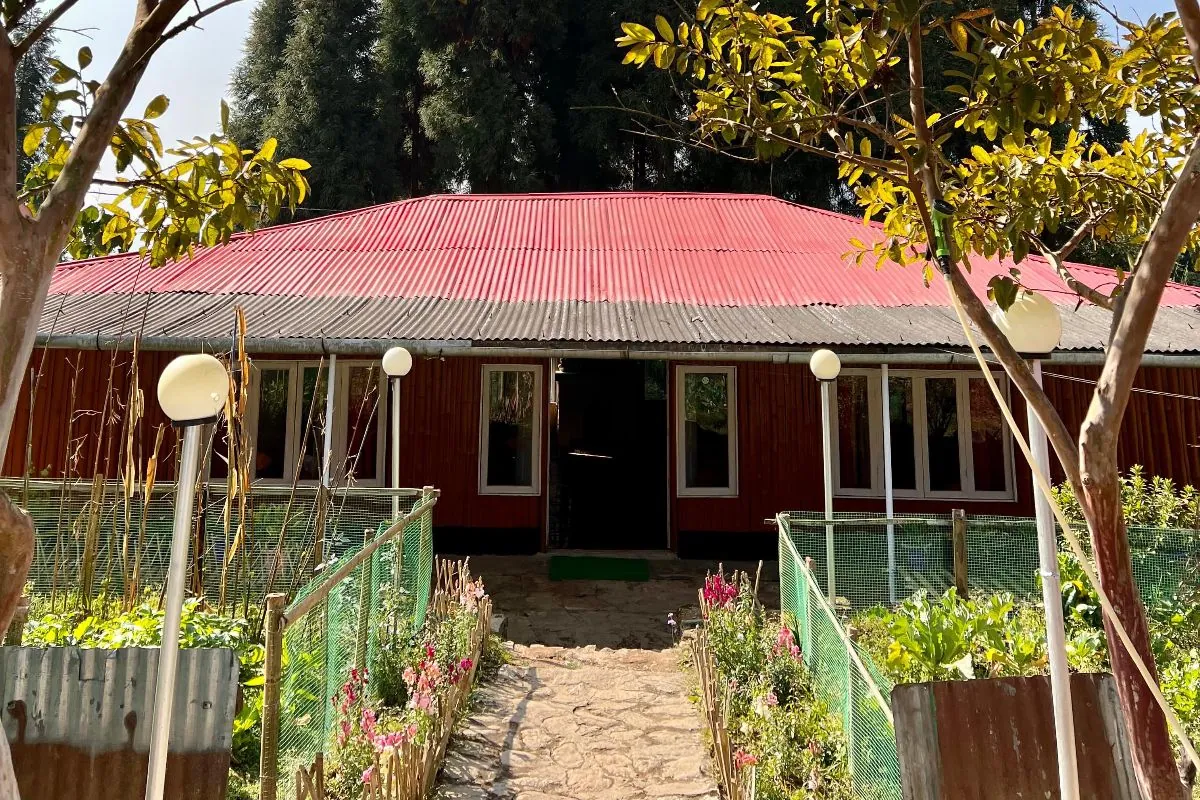
Homestays in Sikkim mean village houses, farm kitchens and hosts who have worked the same slope for generations. We arrange them inside your itinerary, in the places where a homestay is the better night.
Homestays in Sikkim are not a budget alternative to a hotel. In several of the villages our itineraries pass through there is no hotel worth the name, and the choice is between a family house and driving somewhere else to sleep. In others there is a perfectly good hotel and the homestay is still the more interesting night.
What you get is fairly consistent: a room in somebody’s home, meals from the kitchen you are sitting next to, and a household that has farmed or traded on that hillside far longer than any guidebook has existed. What varies is comfort, and we are careful to set that expectation before you book.
Homestays in Sikkim
A homestay in Sikkim usually means a working household rather than a guesthouse with a friendly name. Breakfast is whatever the family eats, dinner arrives when it is ready, and somebody will almost certainly walk you round the vegetable plot whether you asked to see it or not.
We arrange stays across the state, and the character changes noticeably with the region:
- Around Gangtok. Village houses within an hour of the capital, useful when you want the sightseeing without the town.
- Rural west Sikkim. Around Yuksom, Rinchenpong and the Khecheopalri side — farmhouses, orange groves and trek trailheads.
- Pelling. A mix of small hotels and family houses, with the Kangchenjunga view doing most of the work.
- North Sikkim villages. Simple rooms at altitude in Lachen and Lachung, where power and hot water can both be intermittent.
- South Sikkim. Lower, warmer stays near Ravangla, Namchi and the Temi tea slopes — the gentlest option of the five.
Homestays in Darjeeling
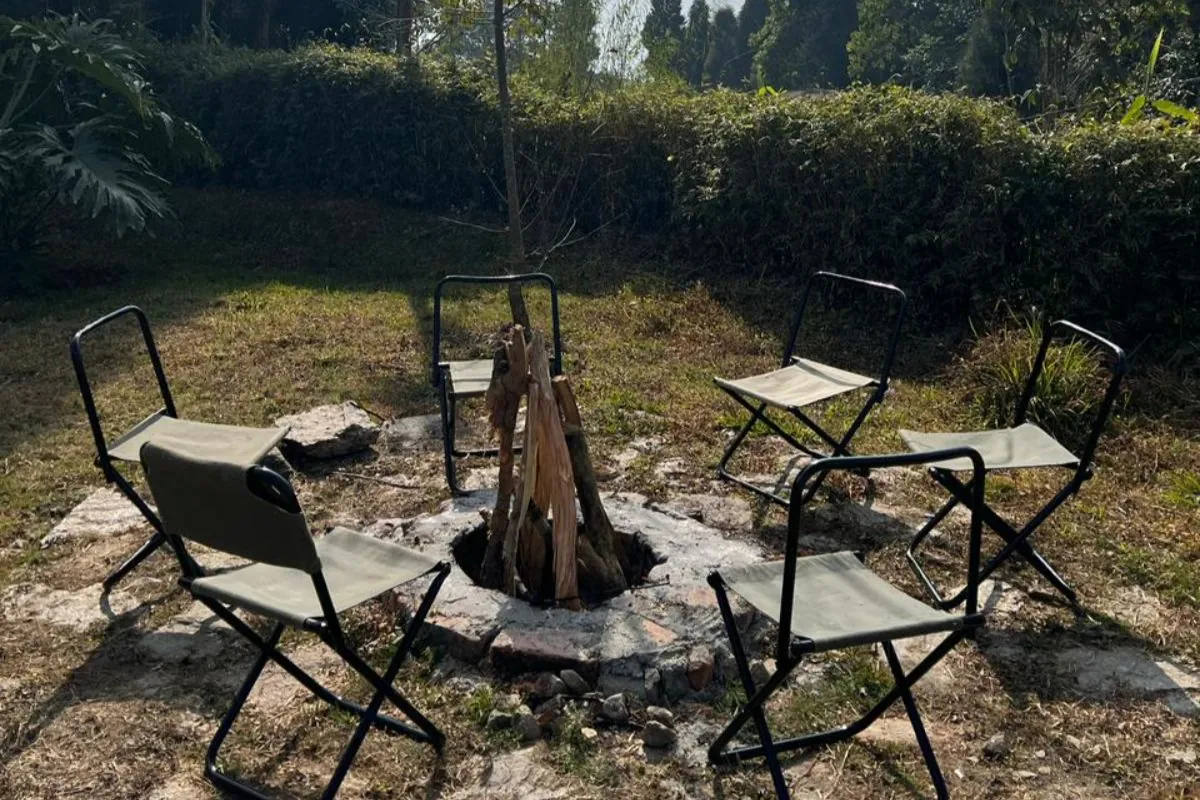
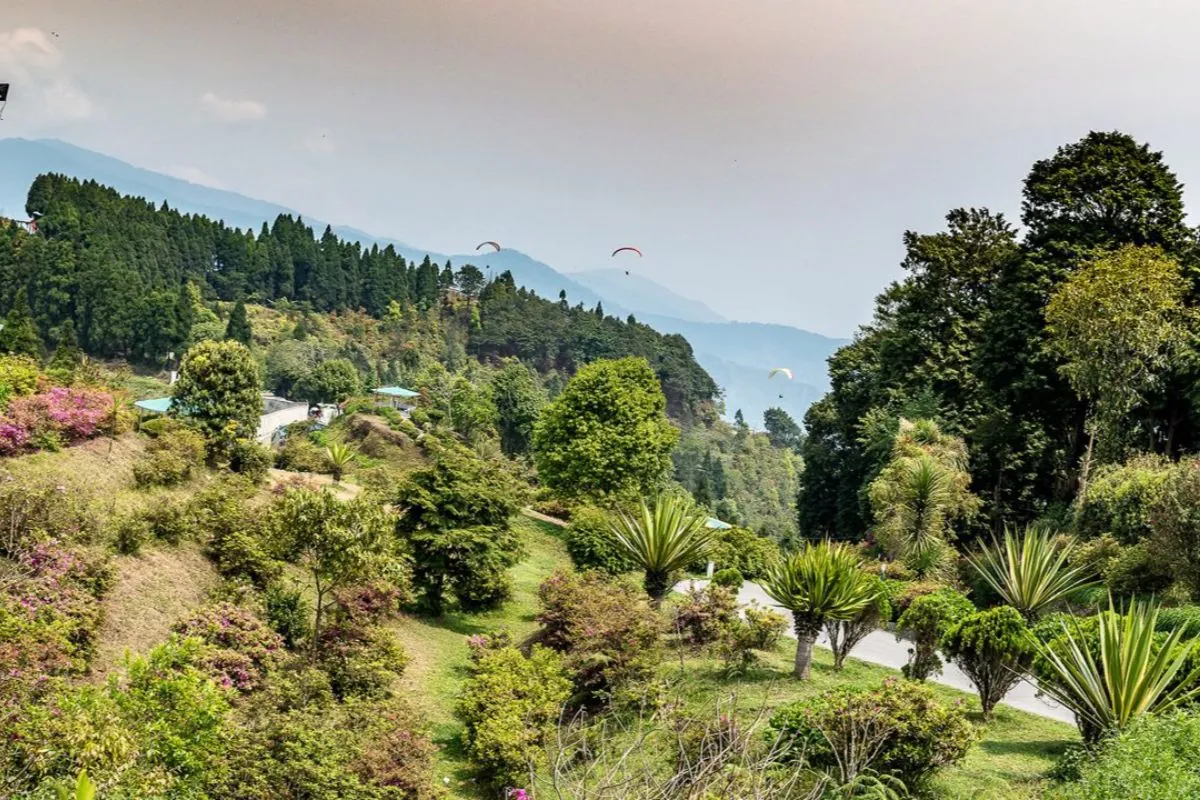
Homestays in Darjeeling tend to sit outside the town rather than in it, in the tea villages and along the ridges where there is room for a garden and a view. The countryside around Darjeeling is where this works best — close enough to reach Tiger Hill before dawn, far enough that the evening is quiet.
We also arrange village stays on the Kalimpong side, which sit lower and warmer and suit travellers who have found the higher hills hard going. In both areas we book houses we have used before rather than whatever is listed, and we will describe the property honestly, including the walk from the road and how steep it is.
Why Choose a Himalayan Homestay?
Five things a homestay gives you that a hotel of the same price generally cannot.
Local Food
Meals come from the household kitchen — dal, seasonal greens, fermented vegetables, churpi, local rice and whatever the garden is producing. Tell us about dietary requirements early and they are easy to accommodate.
Village Experiences
Cardamom drying, a walk to the water source, the morning milking, a monastery that has no visitors at all. None of it is staged, which is rather the point.
Slower Travel
A homestay changes the shape of a day. You stop for two nights instead of one, spend an afternoon walking rather than driving, and see one valley properly instead of three in passing.
Local Hosts
Your host will know the history of the ridge, which path is passable after rain, and who to ask about the festival next week. That is knowledge no itinerary can carry on its own.
Nature
Village houses sit where the farming is — above the tree line in one place, in cardamom forest in another. Birdlife is better than in town and the night sky is considerably better.
Money That Stays
What you pay for a homestay largely stays in the village, with the household, rather than leaving with a chain. It is the most direct way to travel here responsibly.
Homestay or Hotel: Which Is Right for You?
Neither is better in the abstract. It depends on the night.
Choose a homestay when
- You are staying two nights or more in one village
- The location has no hotel of real quality
- You want meals included and cooked locally
- You would rather meet the household than the front desk
- You are travelling in the shoulder season and want somewhere warm to sit in the evening
Choose a hotel when
- You are in Gangtok, Darjeeling or Kalimpong town
- You need reliable hot water, heating and room service
- You are moving on the next morning and want no friction
- Anyone in the party has mobility limitations — village houses often have steep stairs
- You want the flexibility to eat out
How We Help Arrange Your Stay
Homestays are not reliably bookable online, which is most of why this is worth handing to somebody local.
- 1. Tell us — Where you are going, how many nights, who is travelling, and what you can and cannot manage
- 2. We match — We suggest houses we have used, with an honest description of the room, the walk from the road and the bathroom
- 3. We confirm — We hold the rooms directly with the household — many have no online listing at all
- 4. We brief you — Meal timings, what to bring, what is customary, and how to reach the house on the day
- 5. We stay reachable — If something is not right, you call us and we move you rather than leaving you to negotiate
Homestays sit naturally inside a longer itinerary — the 5 Nights 6 Days Sikkim Tour and the longer west Sikkim routes are the easiest to build them into. For the practical background on permits and seasons, see our Sikkim travel information page.
Homestay FAQs
What is a homestay in Sikkim actually like?
A room in a family house, usually with an attached bathroom, hot water by geyser or bucket, and meals eaten with the household or in a small dining room. Rooms are clean and simple rather than styled. Heating is rarely central, so bedding is heavy and you will want a warm layer in the evening.
Are homestays cheaper than hotels?
Usually, though that is not the main reason to choose one. The bigger difference is that meals are almost always included and are cooked from what the household grows or buys locally, so the total cost of a day tends to be noticeably lower than a hotel plus restaurants.
Do homestays have private bathrooms and hot water?
Most of the ones we use do have an attached bathroom, and hot water is available either from a geyser or brought to the room. In the higher north Sikkim villages both can be less reliable, particularly in winter, and we will tell you honestly what to expect before you book rather than after you arrive.
Is a homestay suitable for older travellers or children?
Often yes, and families in particular tend to do well in them. The things to check are stairs, which can be steep, and altitude. We match the property to the party — a ground-floor room in a lower-altitude village is a very different proposition from a farmhouse above Lachung.
Can we mix homestays and hotels on one trip?
That is what most people do, and it is usually the best structure. Hotels in Gangtok and Darjeeling where you want the location and the services; homestays in the villages where the hotel option would be worse rather than better.
How far in advance should homestays be booked?
Earlier than hotels. Village houses have two or three rooms rather than thirty, so October and November fill up months ahead, as does the April to May flowering season. Outside those windows a few weeks is usually enough.
Ask About Available Homestays
Tell us your dates and the villages you are passing through, and we will come back with what is actually free and what each house is like.